How to Pack Art for Moving
Moving can be stressful, especially when it involves transporting valuable and delicate items like artwork. Whether you’re a collector, an artist, or someone who cherishes art pieces, ensuring their safety during a move is crucial.
With these moving artwork tips, you’ll feel confident that each piece will arrive at your new home in the same condition it left – intact, secure, and ready to hang.
Article Summary
- Gather the right materials like glassine paper, foam board, and corner protectors before you start. Glassine paper shields artwork from smudges and moisture, foam boards add cushioning, and corner protectors prevent frame damage, setting you up for a smooth packing process.
- Proper wrapping techniques keep your art safe from moisture, dents, and scratches. Layer your protection thoughtfully: wrap each piece in glassine, then bubble wrap, and finally secure it in a padded box.
- Choose sturdy boxes, fill gaps, and label clearly for fragile handling. Use double-walled moving boxes or custom crates for larger works, and make sure every gap is filled with packing paper or foam. A clearly marked “FRAGILE – ARTWORK” label signals movers to treat it with extra care.
- Consider climate and insurance for high-value or sensitive artwork. Temperature and humidity can affect materials like oil paint or canvas, especially during long moves. For valuable or irreplaceable pieces, look into short term art insurance or climate-controlled transport for peace of mind.
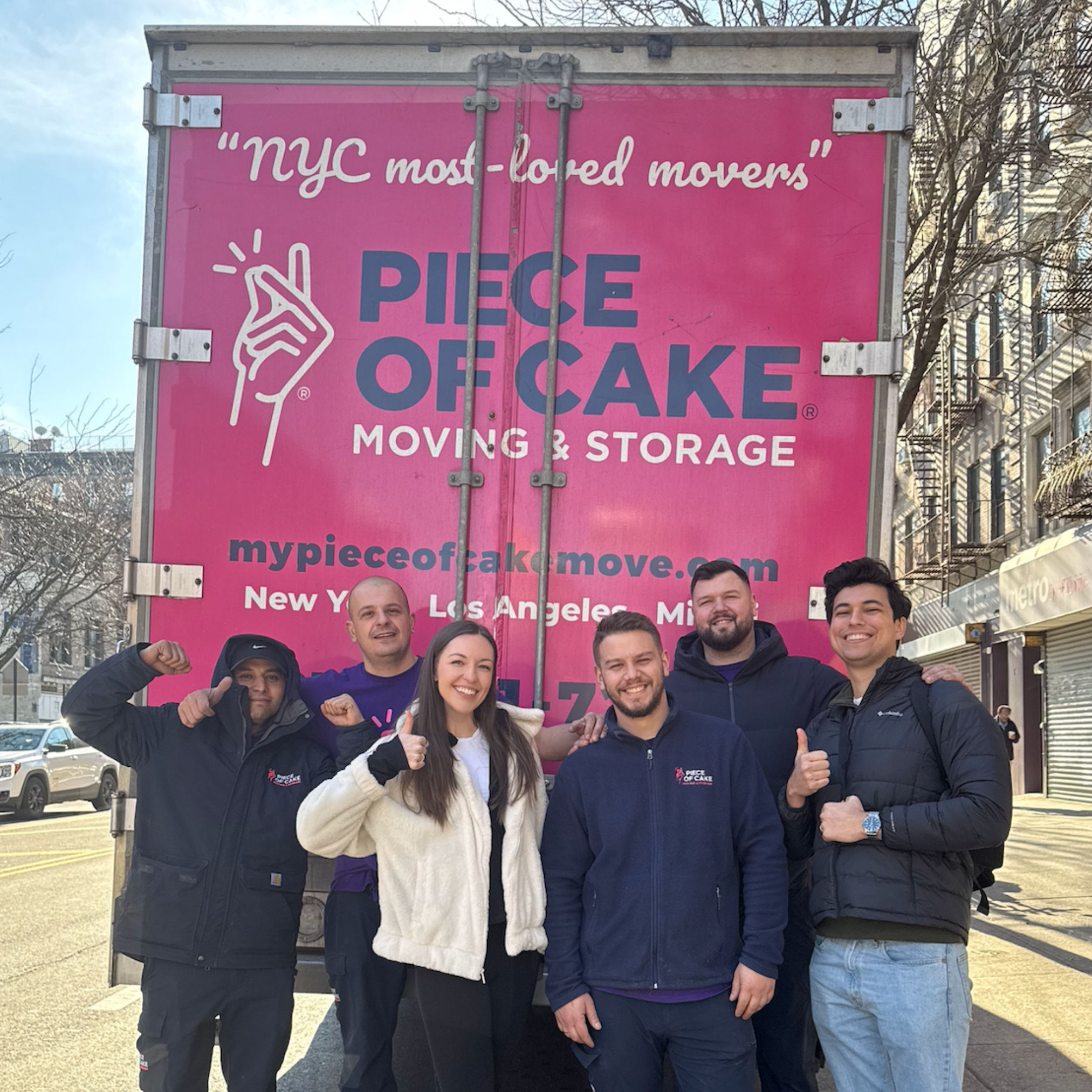
- Hire professionals like Piece of Cake Moving & Storage to transport artwork safely with specialized care. Our expert team uses professional-grade packing materials and proven methods to protect everything from framed prints to fine art collections, even if it needs custom crates.
Moving Artwork Tips
1. Gather Necessary Materials
Before you start, set yourself up for success by gathering all the supplies you’ll need to pack artwork for moving safely. Quality materials are key. They prevent scratches, dents, and moisture damage during the move.
Necessary materials checklist:
Sturdy boxes sized to your artwork
Bubble wrap and foam board
High-quality packing tape
Corner protectors for framed pieces
Glassine paper (for moisture and fingerprint protection)
Markers and “Fragile” labels
Soft blankets or towels for extra padding
2. Prepare and Bubble Wrap the Artwork
The preparation of artwork is a critical step. Now that you’ve got your packing supplies, it’s time to prepare and wrap each piece with care. Here’s how to handle it like a professional:
Clean the surface of the artwork gently to remove any dust.
Wrap the artwork in glassine paper to protect against moisture and fingerprints.
Use corner protectors for framed art to safeguard the corners.
Wrap the artwork in bubble wrap. Ensure the bubbly side is facing out to avoid impressions on the art surface.
Add an extra layer of protection by sandwiching the bubble-wrapped art between two pieces of foam board, then tape them together.
Each of these steps minimizes risk and helps you transport artwork safely, no matter how far you’re moving.
3. Boxing and Labeling
When boxing up your art, select a box that allows the artwork to fit snugly inside without too much extra space. Proper boxing ensures stability during transit and reduces the risk of crushing or jostling.
Choose an appropriately sized box that the artwork can fit snugly inside without too much extra space.
Layer the bottom of the box with extra bubble wrap for additional cushioning.
Insert the wrapped artwork upright, then fill any gaps with packing paper or soft padding.
Seal the box tightly with strong packing tape.
Clearly label the box with “Fragile,” “Artwork,” and “This Side Up” indicators.
Include handling instructions where possible.
4. Loading and Transportation
Even perfectly packed art can be damaged by poor handling in transit. These moving artwork tips will help you minimize risk during transport:
Load artwork last so it can be offloaded first and minimize handling.
Keep the artwork upright and secure it to prevent shifting during transport.
Secure boxes with straps or padding so they don’t shift during the drive.
Avoid stacking items on top of your art.
Consider climate-controlled transport if you’re moving long distance to protect against weather conditions like excessive heat, humidity, or cold.
Unpack artwork first upon arrival to check for any damage.
5. Additional Considerations for Different Art Types
When packing art for a move, it’s crucial to consider not just the immediate packing but also the broader context of the artwork’s type, material, and future conditions.
Different art forms, whether oil paintings, delicate sculptures, or mixed media, demand tailored packing plans. Oil paintings, for example, need ventilation and should not be wrapped in plastic. The sensitivity of art to climate variations is another key aspect.
Here are additional considerations to keep in mind as you prepare to pack and move your art:
Climate control: If you’re moving in extreme weather conditions, like very hot and humid environments or drastic changes in temperature, consider the impact of this on your artwork. Climate-controlled transportation may be necessary for sensitive and valuable paintings or pieces.
Insurance for high-value items: For expensive or irreplaceable art, consider purchasing additional moving insurance. This offers peace of mind and protection.
Hire professional movers: If you’re unsure or if your art is particularly valuable or irreplaceable, it might be worth hiring a professional moving company specializing in art moves. They have the expertise and equipment to protect, pack, and handle valuable pieces safely.
Protecting Valuable Artwork During a Move
Artwork often requires a different level of care than everyday household items. Framed pieces, canvases, sculptures, and delicate finishes can all benefit from thoughtful packing, protective materials, and careful handling during transport.
For higher value or sentimental pieces, working with experienced movers can add an extra layer of protection. With Piece of Cake Moving & Storage, our teams support moves involving artwork through careful packing, transport, and moving day logistics designed to keep delicate items secure from pickup to delivery. Whether you’re moving a single statement art piece or an entire artwork collection, the goal is the same: keep your high-value items protected, transported, and ready to hang in its next space.